The Path Forward
Framework.
Five steps that put the procedure in its place — never the destination, only one tool on the way back to sport.
How the Path Forward works.
Each step earns the next. Procedures and orthobiologics only enter once the basics have done their job — a procedure is a tool, never the destination.
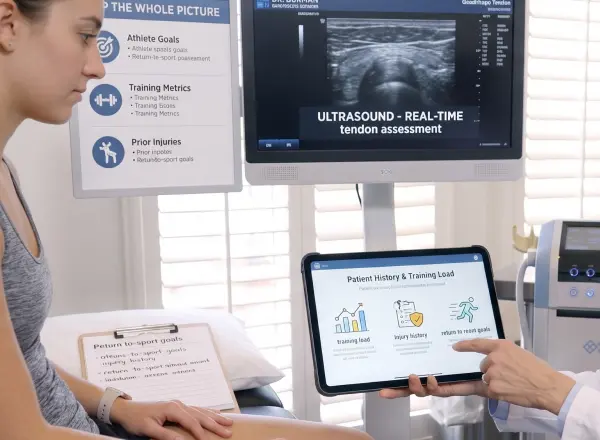
Before any scan, we map the whole picture — your history, training load, past injuries, and what “back to sport” actually means to you. In-office musculoskeletal ultrasound then lets us examine tendons, muscles and joints in real time, while you move — often clarifying the diagnosis the same day, so the problem is named precisely before anything is treated.
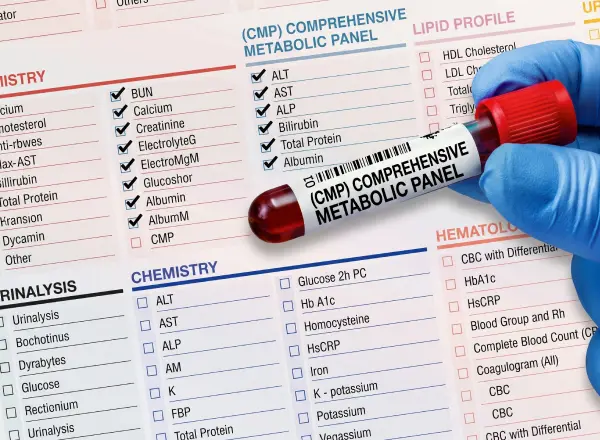
Musculoskeletal health does not exist in isolation. How well you recover, adapt, and perform is shaped by far more than the injured tissue itself — sleep, metabolic health, body composition, cardiovascular fitness, hormonal health, nutrition, and systemic inflammation all influence how the body heals.
Trained in both Internal Medicine and Sports Medicine, I look for the medical factors that may be limiting your recovery or holding you below the level you want to live at. When it’s relevant, we evaluate and address cardiometabolic health, hormonal health, nutrition and body composition, sleep, medication effects, and the chronic conditions that quietly shape musculoskeletal function. The goal isn’t only to treat an injury — it’s to improve the environment your body heals in. Lasting results usually come from treating the whole person, not the painful part.
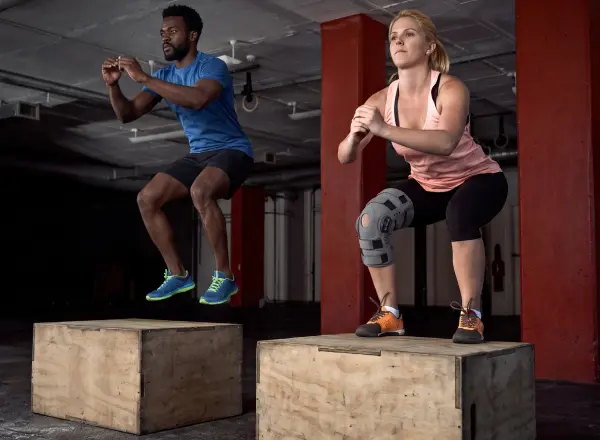
Movement is medicine. The near-term job is to keep you moving while we rebuild — relative rest where it’s needed, then progressive loading and structured rehab that restore capacity, not just calm symptoms. Deconditioning quietly costs an athlete more than the original injury ever did.
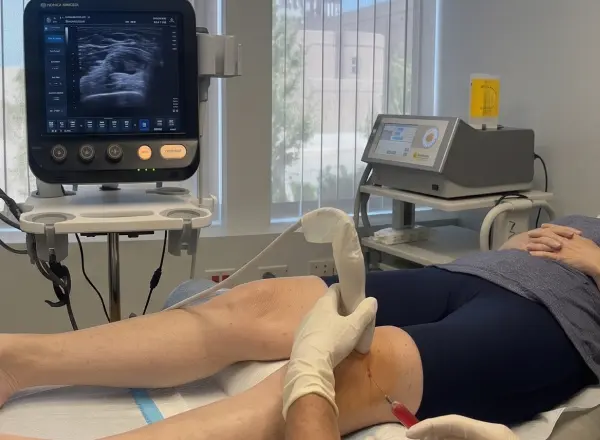
Only here do procedures enter the conversation. Orthobiologics, PRP, or guided injections are considered when the current evidence supports that they may be helpful for your specific condition. They support the rebuild; they never replace it.
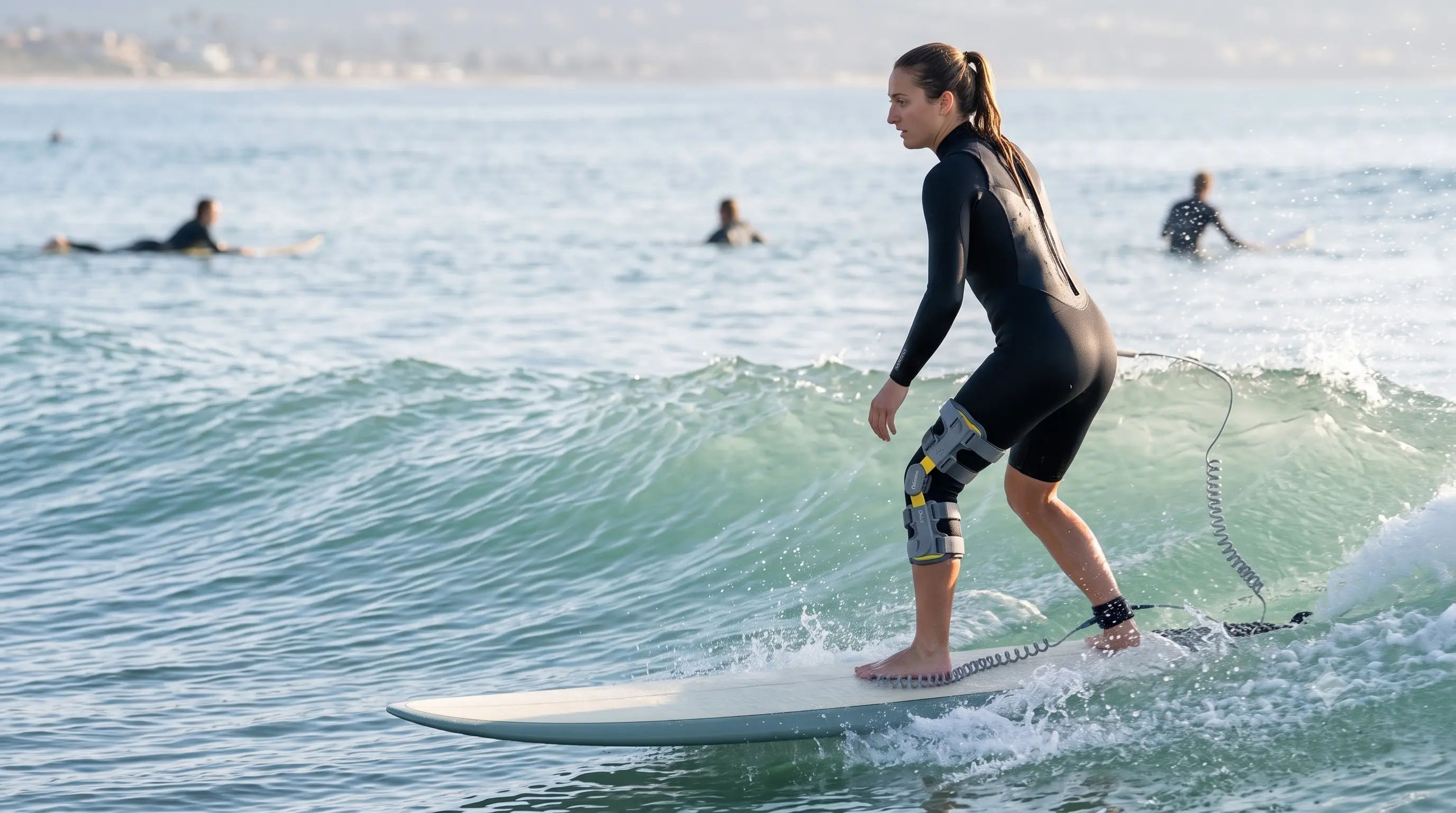
Return-to-sport is a decision made on criteria, not the calendar — strength, control, and confidence under sport-specific load. You leave with a plan to stay healthy, and ideally to come back past your old baseline.